Santa Claus Christmas Card SVG Cut File Review
As a designer who has spent years navigating the fine line between digital art and physical thread, I approach every new asset with a critical eye. When I first encountered the Santa Claus Christmas Card SVG Cut File, my immediate reaction was to assess its potential beyond the screen. This is not just another generic holiday graphic; it is a 7x5” greetings card template designed specifically for papercut aesthetics, yet its structural integrity begs the question: can this translate effectively into the world of machine embroidery? For small business owners, Etsy sellers, and crafters looking to expand their holiday catalog, understanding how a 3D SVG concept adapts to fabric is crucial before committing to production.
The Visual Personality of a Holiday Classic
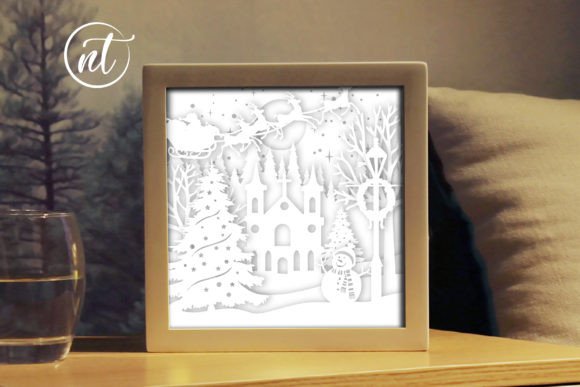
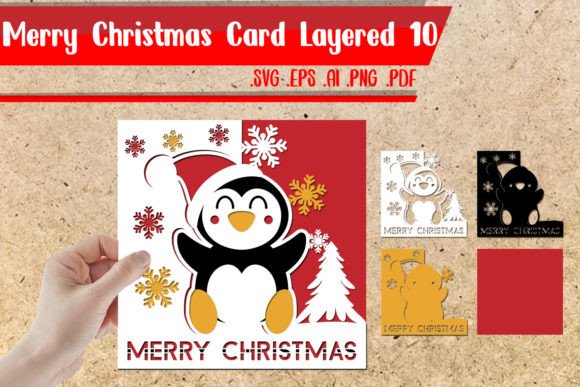
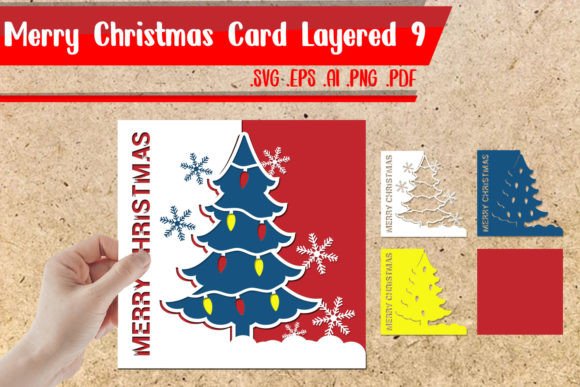
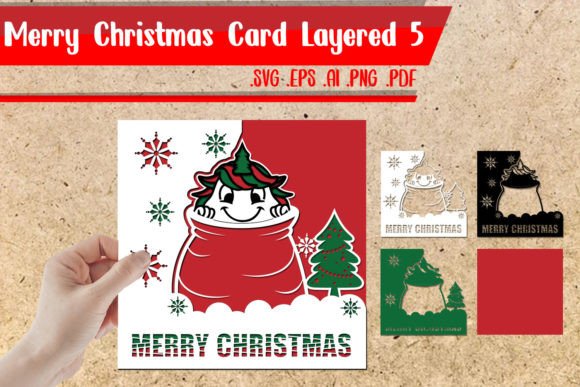
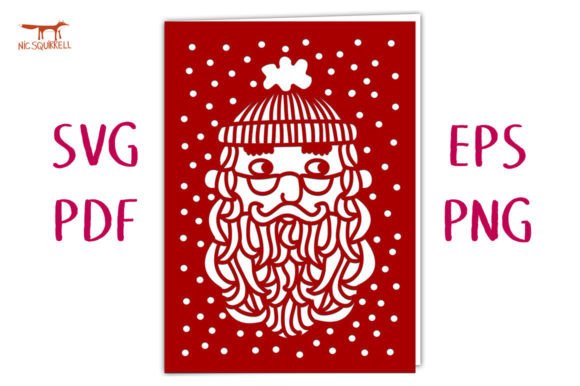
The first impression of the Santa Claus Christmas Card SVG Cut File is one of whimsical charm. The design leverages the "papercut" style, which typically relies on layered depth and clean, sharp edges to create a three-dimensional effect. In a digital context, this works beautifully for cutting machines, but in embroidery, we must translate that layering into stitch types. The layout suggests a bold, central figure of Santa, likely surrounded by intricate details that define the festive mood. For an embroidery project, this means the design will rely heavily on the interplay between fill stitch for the main body and potentially satin stitch for the finer outlines to mimic the crispness of cut paper.
Visually, the design exudes a traditional yet modern holiday vibe. It is not overly cluttered, which is a relief for those working with limited hoop space. However, the "3D" aspect implies depth, which in stitching terms requires careful planning regarding stitch density. If you are creating a personalized gift or a boutique product, the visual weight of Santa needs to be balanced so it doesn't overwhelm the fabric texture. The design feels like it belongs on sturdy substrates where the dimensionality can truly shine, rather than delicate, sheer materials where the layers might get lost.
Translating Papercut Aesthetics to Thread
When I consider using the Santa Claus Christmas Card SVG Cut File for real-world applications, I immediately think about custom apparel and home decor. Imagine a heavy-weight sweatshirt embroidery project. The thickness of the fleece would provide a perfect canvas for the layered look of this design. By utilizing different thread colors for each "layer" of the papercut style, you could achieve a stunning depth that mimics the original SVG intent. The reds of Santa's suit against a dark navy or forest green background would offer high contrast, ensuring the finished product pops.
Another strong candidate for this file is a tote bag design. Canvas tote bags are a staple for craft businesses during the holidays. The 7x5” dimensions mentioned in the description are substantial, making them ideal for the front panel of a large tote. Here, the machine embroidery design process would benefit from using a tear-away stabilizer to support the dense areas without adding bulk to the handle attachment points. For Etsy sellers, offering a tote with this specific Santa motif could serve as a high-value item, distinguishing your shop from those selling simple printed designs.
We also cannot ignore the potential for holiday embroidery on home goods. A pillow cover or a kitchen towel featuring this digital embroidery file converted for stitching would add a tactile, handmade touch to holiday decor. The "papercut" aesthetic translates well to these items because the raised nature of the stitches enhances the 3D illusion. Customers looking for unique handmade products often appreciate the texture that thread provides over flat printing. However, one must ensure the hoop size accommodates the full 7x5” scope without distorting the proportions of Santa's face or hat.
Navigating Challenges in Fabric and Texture
While the Santa Claus Christmas Card SVG Cut File offers great potential, it is not without its challenges when moving from vector lines to stitched reality. One area requiring caution is textured fabrics. Materials like chenille or heavy knits can interfere with the precision needed for the smaller details inherent in a papercut style. If the design includes tiny elements—perhaps snowflakes or decorative borders around Santa—these might get swallowed by the fabric weave if the stitch density is not adjusted correctly.
Stretchy fabrics present another hurdle. If you plan to use this embroidery file on a jersey t-shirt or a baby onesie for baby embroidery, the stretch of the material can distort the geometric lines of the papercut layers. In such cases, using a cut-away stabilizer is non-negotiable to maintain the shape of the design after washing. Furthermore, curved surfaces like caps require significant digitizing adjustments. The rigid structure of a papercut design might struggle to wrap around the curve of a baseball cap without breaking up the flow of the satin stitches. It is often better to reserve this specific layout for flat surfaces or very shallow curves.
Dark fabrics also demand attention. While the design looks vibrant on white, placing a complex, multi-layered Santa on black or charcoal fabric requires strategic color choices. You may need to add underlays to prevent the fabric color from showing through the fill stitch, which could muddy the crisp edges that define the papercut look. Always test the design on scrap fabric first to see how the thread colors interact with the base material before committing to a client order.
Strategic Advice for Commercial Success
For the small shop owner or creative entrepreneur considering this asset for commercial use, due diligence is key. Before listing any items, verify the licensing terms of the Santa Claus Christmas Card SVG Cut File. Many digital assets have restrictions on selling finished goods versus selling the digital file itself. Ensuring you have the right to sell custom apparel or embroidered patches derived from this design protects your business from legal issues down the line.
From a design perspective, I recommend creating printable mockups in both light and dark scenarios to gauge customer appeal. Showcasing the design on a variety of products—from aprons to blankets—helps buyers visualize the final result. Additionally, inspect the small details closely. In a 7x5” format, even minor gaps in the vector lines can become unsightly holes in the stitching. Adjusting the node count and smoothing paths before digitizing can save hours of rework.
Ultimately, the Santa Claus Christmas Card SVG Cut File is a versatile tool for those willing to put in the technical work. It bridges the gap between modern digital crafting and traditional textile arts. Whether you are producing a single personalized gift or scaling up for a commercial embroidery run, success lies in respecting the design's structural needs. By carefully selecting your stabilizer, managing your hoop size, and testing on appropriate fabrics, you can transform this digital template into a high-quality, professional-grade product that stands out in the crowded holiday market. The key is to let the craftsmanship elevate the design, ensuring that the magic of Santa translates perfectly from the screen to the stitch.