Easter Box: 3D SVG Gift Boxes Review
As a brand designer who has spent the last decade helping local businesses translate their values into tangible touchpoints, I approach every new graphic design asset with a critical eye. It is not enough for a design to be pretty; it must function within the complex ecosystem of small business branding. Recently, I evaluated the Easter Box for a potential project involving a boutique artisanal confectionery. My goal was to determine if this digital product could elevate their seasonal packaging design while maintaining the integrity of their established brand identity.
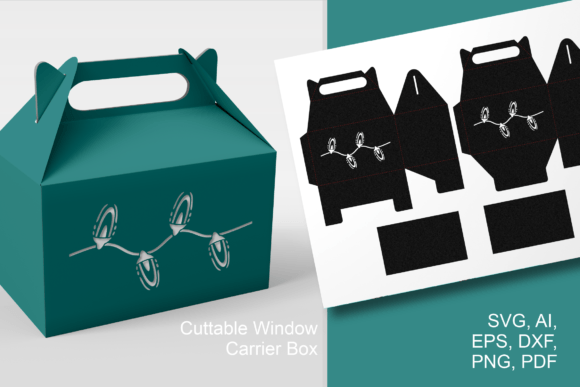
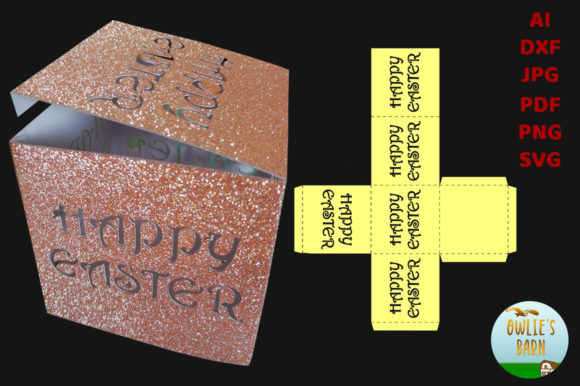
The first impression of the Easter Box is one of thoughtful structural elegance. Unlike flat, printed labels that merely sit on a surface, this asset offers a three-dimensional experience. The design features a precise cutout of the phrase "Happy Easter" on all four sides and the lid, creating a playful yet sophisticated interplay of light and shadow. For a local business like a bakery or a handmade soap studio, this suggests a brand personality that is friendly, festive, and attentive to detail. It feels less like mass-produced retail and more like a curated gift from a neighbor, which is exactly the emotional connection independent sellers strive to build.
Integrating Structural Design into Brand Strategy
When we talk about professional branding, we often focus on logos and color palettes. However, the physical vessel holding your product is equally critical. The Easter Box serves as more than just a container; it is an active participant in your marketing visuals. In my review, I considered how this 3D SVG file could be adapted across various mediums. Because the downloadable ZIP folder includes AI, DXF, JPG, PDF, PNG, and SVG formats, the versatility is immediate.
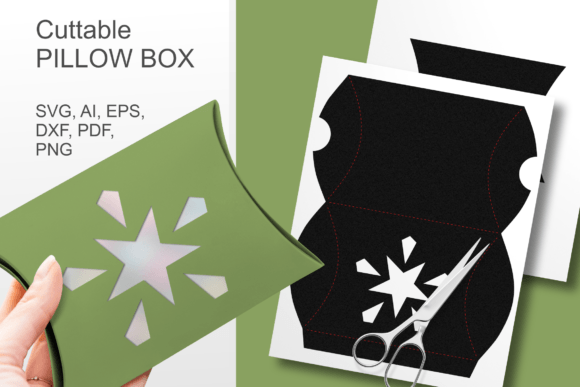
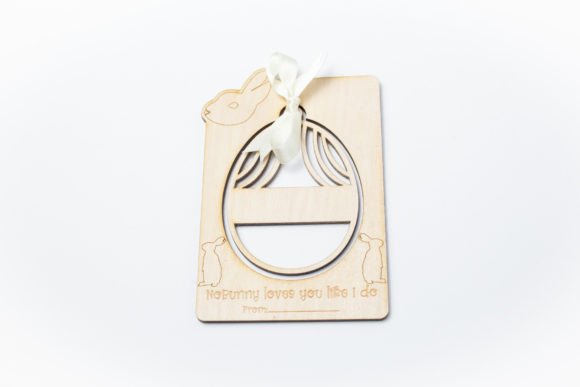
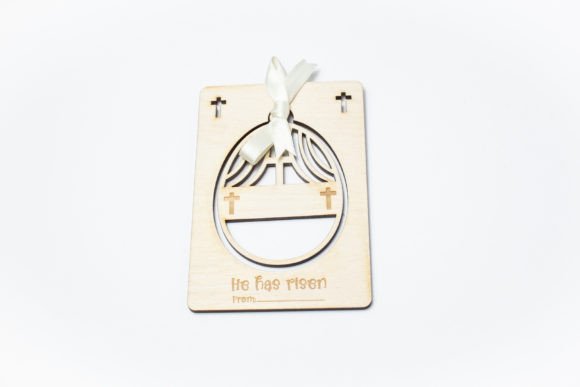
For a handmade business, the SVG and DXF files are particularly valuable. They allow for precise cutting using laser cutters or Cricut machines, enabling the creation of custom Gift Boxes that align perfectly with the brand’s aesthetic. I envision this being used not just for packaging, but as a hero graphic in social media graphics. Imagine a flat-lay photograph where the cutout text casts a delicate shadow on a pastel background; this creates instant visual interest without cluttering the composition. It supports stronger first impressions and better product recognition, two pillars of effective visual hierarchy.
Practical Applications for Local Entrepreneurs
The utility of this asset extends far beyond the box itself. As a designer, I look for elements that can be repurposed to maintain consistency across design assets. The cutout motif from the Easter Box can be extracted and used as a decorative element on thank-you cards, hang tags, or even as a watermark on web design banners during the spring season. For a florist or a candle brand, this motif could be stamped onto tissue paper or used as a die-cut accent on product label backing cards.
Consider a coffee shop launching a limited-edition Easter blend. Using this printable design concept, they could create sleeve inserts that mimic the cutout effect, adding a tactile dimension to the customer experience. This level of detail fosters customer trust and signals that the business invests in quality. It transforms a simple transaction into a memorable unboxing moment, which is crucial for commercial design in the age of social sharing.
Where This Asset Shines and Where to Exercise Caution
In my evaluation, I identified specific contexts where the Easter Box excels. It is ideal for product mockups, seasonal packaging, and boutique visuals where the goal is to evoke warmth and celebration. It works beautifully as a decorative brand element in editorial design layouts for spring catalogs or as a focal point in promotional ads. The clean lines and open space created by the cutouts allow for a modern, airy feel that complements both serif and sans-serif typography.
However, there are scenarios where this design should be used carefully. It is not suitable for formal corporate branding or luxury minimalist brands that rely on stark, unadorned surfaces. Additionally, designers must avoid using the cutout pattern on crowded product packaging where it might compete with essential legal information or ingredient lists. On very small labels, the intricate details of the cutout may get lost, so it is vital to test the scale. Furthermore, ensure there is sufficient contrast; placing this design on low-contrast backgrounds can render the "Happy Easter" message illegible, defeating the purpose of the illustration.
Designer Notes for Implementation
Before integrating this digital product into a client’s workflow, I recommend several practical steps. First, always test the SVG design on real packaging mockups to understand how the cutouts interact with light. Check the black and white usage to ensure the shape remains recognizable without color. If you are using the PNG files for Canva template creations or web banners, verify the transparency edges to avoid pixelation.
Typography pairing is also key. I found that the playful nature of the box pairs well with handwritten or script fonts for a personal touch, but it also holds its own against bold display fonts for a more contemporary look. Always compare the final design with competitor packaging to ensure distinctiveness. Most importantly, confirm the commercial license terms. While this asset is designed for commercial use, ensuring you have the right permissions for physical product sales and client work is non-negotiable for professional practice.
The Easter Box is a robust tool for any creative entrepreneur looking to enhance their seasonal offerings. By leveraging its structural ingenuity and versatile file formats, small businesses can create cohesive, high-impact marketing visuals that resonate with their community. Whether you are designing for a skincare brand, a children’s product line, or a gourmet food shop, this asset provides the foundation for polished, professional, and emotionally engaging packaging design.