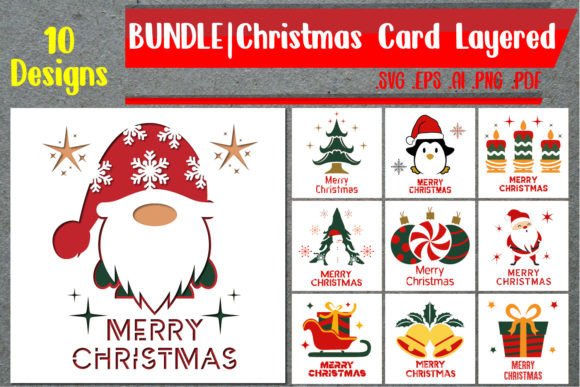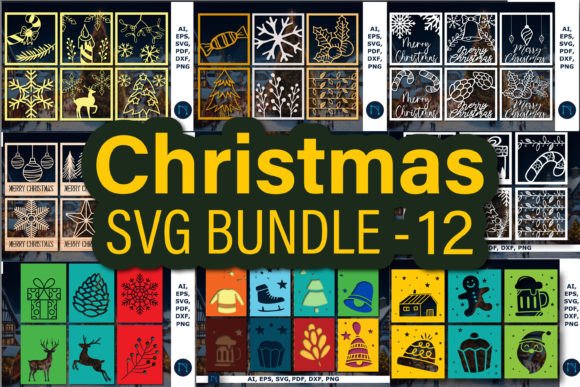
Reviewing the Paper Cut Christmas Card SVG Bundle
As a designer who spends half my life staring at digitized files and the other half watching needles punch through fabric, I have learned to be skeptical of trendy design assets. We see a lot of "paper cut" styles circulating in the digital marketplace, promising depth and dimension. When I first opened the Paper Cut Christmas Card SVG Bundle, my initial reaction was not just about the aesthetic appeal, but about its translatability. Could this layered, shadow-box-inspired artwork actually survive the transition from a vector file to a stitched embroidery project? The answer, as it turns out, depends entirely on how you approach the conversion.
The Visual Mood and First Impressions
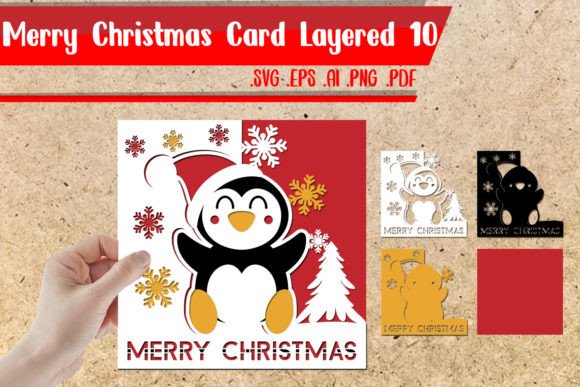
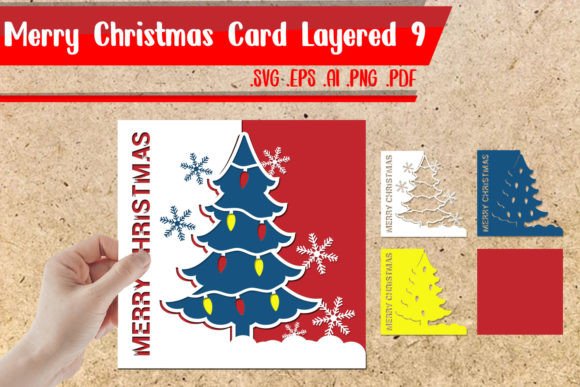
The immediate vibe of this bundle is nostalgic yet modern. It captures that specific warmth of holiday traditions without relying on clichéd, overly busy patterns. The layers create a sense of depth that mimics the popular shadow box trend, which is fantastic for visual interest. However, for us embroidery professionals, "depth" in a 2D medium like fabric is an illusion created by stitch direction, thread sheen, and color grading. The clean lines and distinct separation between layers in the 3D SVG files provide a solid foundation. The layout feels balanced, avoiding the clutter that often plagues holiday designs. This clarity is crucial because it suggests that the design can be simplified for stitching without losing its core identity.
Real-World Application: The Holiday Tote Scenario
To test the viability of this bundle, I imagined a real-life scenario common for many Etsy sellers and craft business owners: creating a limited run of holiday gift totes. I envisioned using the central motif from the bundle on a heavy canvas tote bag design. The goal was to create a personalized gift item that felt boutique-quality rather than mass-produced.
In this context, the layered nature of the Paper Cut Christmas Card SVG Bundle offers a unique opportunity. Instead of trying to stitch every single layer, which would result in a stiff, cardboard-like patch on the fabric, I would select the two most prominent layers. By using a combination of satin stitch for the borders and a light fill stitch for the interior shapes, you can mimic the paper-cut effect. The contrast between the matte finish of the cotton canvas and the slight sheen of polyester embroidery thread adds a tactile dimension that flat printing cannot achieve. Customers reacting to such a handmade product are likely to appreciate the texture, perceiving higher value in the finished item.
Navigating Fabric and Hoop Constraints
While the design is visually striking, it requires careful handling regarding hoop size and fabric choice. The intricate details typical of paper cut art can get lost if the stitch density is too high or if the hoop is too small. For instance, attempting to place this on a curved surface like a cap or a baby onesie requires significant simplification. On stretchy fabrics, dense stitching can cause puckering, ruining the crisp lines that define the paper-cut style. Therefore, I recommend using a cut-away stabilizer for garments that will be washed frequently, ensuring the design retains its shape over time.
For sweatshirt embroidery or heavier textiles like denim jackets, the design holds up better. The thickness of the fabric supports the weight of the threads. However, one must be cautious with dark fabrics. If the original SVG relies on subtle shadow gradients, these may not translate well in thread. In such cases, switching to high-contrast thread colors is essential to maintain visibility. Testing the design in black and white mockups before digitizing can save you from costly mistakes in thread selection.
Commercial Viability and Brand Consistency
For small shop product lines, consistency is key. The Paper Cut Christmas Card SVG Bundle provides a cohesive look that can be adapted across various items, from embroidered patches to kitchen towels. This versatility allows digital embroidery file users to create a unified collection for their Christmas inventory. Whether you are selling custom apparel or home decor, the professional appearance of the design enhances brand trust. Buyers engage more with products that look intentional and well-crafted. By using this bundle as a base for your design assets, you elevate the perceived quality of your finished product.
It is important to note that while the bundle is labeled as an SVG for cutting, using it for embroidery requires digitization skills or software that can convert vectors into stitch files effectively. Do not assume the SVG is ready-to-stitch. You must check the license terms carefully. Some creators allow commercial use of the physical items made from the design, while others restrict the sale of the digital files themselves. Always confirm licensing before listing items on your store.
Practical Designer Notes for Execution
Before committing to a large production run, follow these practical steps:
- Test on Scrap Fabric: Always stitch out a sample on the exact fabric type you intend to use. This reveals issues with tension and density.
- Check Thread Contrast: Ensure your chosen thread colors stand out against the fabric background, especially for the finer details.
- Review Stitch Density: High density can make the fabric stiff. Adjust your digitizing settings to keep the design flexible.
- Inspect Small Details: Tiny elements in the paper cut style may need to be merged or enlarged to prevent thread breaks.
- Verify Commercial Rights: Confirm that the license permits selling commercial embroidery items derived from this bundle.
In conclusion, the Paper Cut Christmas Card SVG Bundle is a versatile resource for designers willing to put in the extra effort to adapt it for needle and thread. It is not a plug-and-play solution for embroidery, but rather a creative springboard. With thoughtful digitization and attention to material constraints, it can produce stunning holiday embroidery pieces that resonate with customers seeking unique, handcrafted charm. Whether for a baby embroidery project or a sophisticated boutique branding item, this design holds promise for those who understand the nuances of stitch work.