Polar Bear ChristmasCandy Dome: A Designer's Review
As someone who has spent years navigating the intersection of digital design and tangible craft, I approach every new asset with a critical eye. The market is flooded with generic holiday motifs, so finding a piece that offers genuine character is a relief. When I first encountered the Polar Bear ChristmasCandy Dome, my immediate reaction was curiosity. It promises a whimsical take on the season, but as a professional who needs to deliver high-quality finished products for clients and my own shop, I needed to know if this design translates from a screen to a physical object with grace.
First Impressions: Mood and Visual Personality
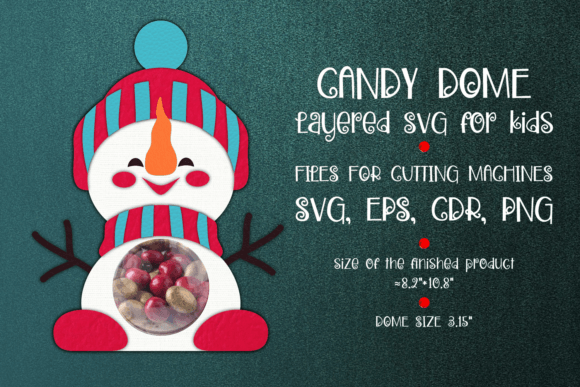
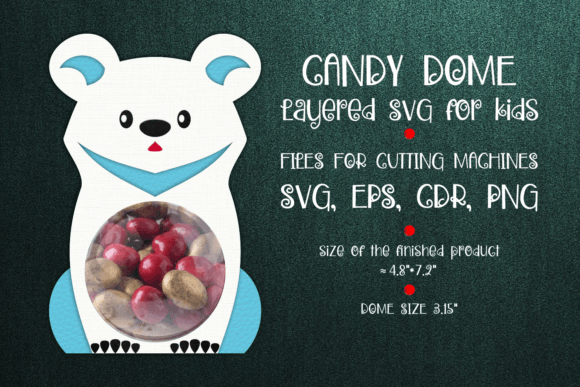
The Polar Bear ChristmasCandy Dome immediately establishes a playful, festive mood. Unlike traditional, stiff holiday embroidery patterns, this design leans into a cute, slightly humorous aesthetic. The concept of a polar bear interacting with a candy dome creates a visual narrative that feels fresh. For an embroidery designer, the layout suggests a balanced composition that could work well as a focal point. However, it is crucial to remember that the source material is described as a 3D SVG paper craft template. This distinction changes how we evaluate its potential as a machine embroidery design.
When reviewing a file intended for cutting machines, the lines are often vector-based and clean, lacking the inherent stitch directionality found in native embroidery files. If you plan to use this as a base for an embroidery project, you will likely need to trace or convert these shapes into a proper digital embroidery file. The charm lies in the rounded forms of the bear and the dome structure. These curves are forgiving in stitching, which is a positive sign for maintaining clarity without excessive knotting or puckering.
Real-World Application: From Concept to Custom Apparel
Let’s move beyond the screen and imagine a real-life scenario. Picture a small business owner preparing for the holiday rush. They want to create a line of personalized gifts, perhaps a set of cozy sweatshirts or durable tote bags. How would the Polar Bear ChristmasCandy Dome perform here?
For a sweatshirt embroidery project, the rounded nature of the bear works exceptionally well. Fleece and cotton blends can sometimes distort intricate details, but the bold outlines of this design suggest it would hold up nicely. Imagine placing this motif on the chest of a cream-colored crewneck. The contrast between the white bear and the fabric might require careful thread color selection—perhaps using a soft grey or navy blue outline to define the shape against the light background. This kind of thoughtful customization elevates a standard item into a premium handmade product.
Alternatively, consider a tote bag design for a local craft fair. Canvas is a sturdy fabric, ideal for holding dense stitch density. If the design includes fill areas for the candy dome, the canvas texture will support the weight of the thread without sagging. Customers browsing a booth are drawn to items with personality. A tote featuring a funny, unique polar bear scene stands out against a sea of generic red and green snowflakes. It tells a story and invites engagement, which is vital for any Etsy seller or small shop product lineup.
Baby Items and Nursery Decor
Another strong contender for this design is baby clothing. Baby embroidery requires designs that are soft, non-threatening, and visually engaging. The Polar Bear ChristmasCandy Dome fits this perfectly. A onesie or a hooded blanket featuring this motif would make an adorable personalized gift. The key here is ensuring the stitches are smooth enough not to irritate sensitive skin. If converting the SVG to an embroidery file, avoid overly dense satin stitches in areas where the fabric folds frequently, such as the neck or legs.
Navigating Challenges: Where Caution is Needed
While the design is promising, a professional must always anticipate potential pitfalls. Since the original file is a 3D SVG meant for paper crafts, the depth cues might be lost if not adapted correctly for stitching. Paper relies on folding for dimension; embroidery relies on thread layering and shading.
Small Hoop Sizes: If you attempt to shrink this design to fit a very small hoop, the delicate features of the bear's face or the details of the candy dome may become indistinct. Tiny lettering or fine lines often get lost in the weave of the fabric. Always test the design at full scale first.
Fabric Texture and Stretch: On textured fabrics like heavy denim or stretchy knits, the crisp lines of the Polar Bear ChristmasCandy Dome might struggle to maintain their definition. Using the correct stabilizer is non-negotiable here. A tear-away stabilizer might not provide enough support for a stretchy garment; a cut-away or water-soluble option would be safer to prevent distortion.
Dark Fabrics: While the design looks great on light backgrounds, applying it to dark fabric requires significant planning. You cannot simply rely on the default colors. You will need to add underlay stitches to block out the dark fabric before stitching the white or light-colored elements of the bear. Without this step, the design will look muddy and unprofessional.
Design Integrity and Commercial Viability
For those looking to sell finished goods, the visual appeal of the finished product directly impacts customer trust and brand consistency. A well-executed version of the Polar Bear ChristmasCandy Dome signals quality. It shows that the maker cares about detail. Conversely, a poorly converted file with floating threads or uneven fills can damage your reputation as a craft business owner.
Before committing to a large production run, always create a printable mockup or stitch out a sample on scrap fabric. Check the stitch density to ensure there are no gaps in the fill areas. Inspect the corners for sharp points that might snag. Test the design in black and white to see if the contrast holds up without relying on color alone. These steps are essential for ensuring that the commercial embroidery project meets professional standards.
Practical Designer Notes
- File Conversion: Remember that an SVG is not an embroidery file. You must convert it using appropriate software to generate the necessary stitch commands (running stitch, satin stitch, fill stitch).
- Color Strategy: Plan your thread colors carefully. The "candy" aspect suggests bright pops of color, but ensure they harmonize with the bear and the background fabric.
- Licensing Check: Before selling any items made with this design, confirm the licensing terms. Some digital assets allow personal use only, while others permit commercial sales of finished goods. Never assume.
- Stabilizer Selection: Match the stabilizer to the fabric weight. Heavyweight canvas needs heavy-duty support; lightweight flannel needs a lighter touch.
- Testing: Always do a test run on a similar fabric to your final project to catch any issues with tension or registration.
Final Thoughts on Holiday Creativity
The Polar Bear ChristmasCandy Dome offers a delightful opportunity for creative entrepreneurs to inject some fun into their holiday collections. It moves away from the cliché and embraces a character-driven approach that resonates with modern buyers. Whether used for a custom cap, a decorative pillow cover, or a boutique apron, the design has the potential to become a signature piece if handled with care.
However, its success depends entirely on the designer's ability to translate the 3D vector art into a robust machine embroidery design. By respecting the limitations of the medium, choosing the right materials, and testing thoroughly, you can turn this digital asset into a tangible, high-value holiday embroidery creation. For the savvy maker willing to put in the technical work, this design is a worthy addition to their library of design assets.