Gnome Candy Holder Christmas Ornament Review
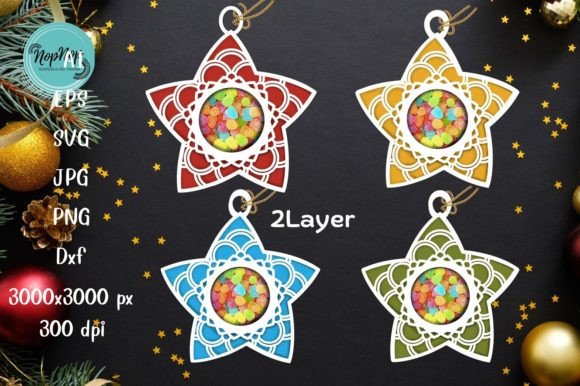
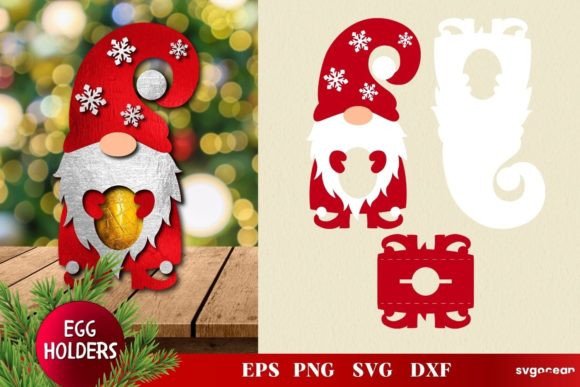
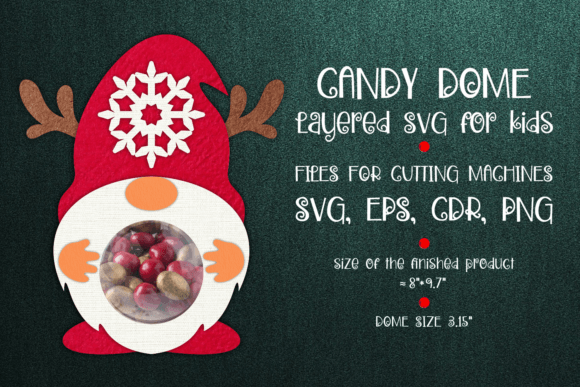
As a designer who has spent years navigating the intersection of digital files and physical thread, I approach every new asset with a critical eye. The market is flooded with generic patterns, but occasionally, a design arrives that sparks genuine excitement for a specific project. That was my first impression when I opened the Gnome Candy Holder Christmas Ornament. This isn't just another flat vector; it is a multi-layered 3D SVG concept designed to bring depth to holiday crafting. Before committing this to a client order or stocking it in my shop, I needed to understand how it translates from a screen to a tangible, stitched reality.
The Visual Impact and Design Personality
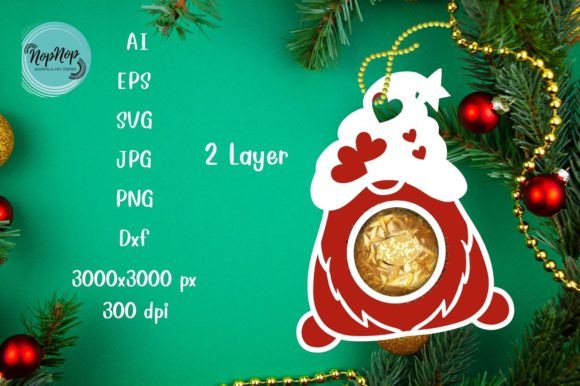
At first glance, the Gnome Candy Holder Christmas Ornament exudes a whimsical, cozy charm that fits perfectly into the current trend of rustic holiday decor. The layout suggests a character holding a treat, which immediately tells a story. For an embroidery project, storytelling is everything. It transforms a simple decoration into a personalized gift that feels handmade with care. The visual personality is playful yet structured, offering enough detail to look professional without becoming overwhelming for a home machine.
However, the description notes this is a "multi-layer design" intended as a template for cutting machines. This is a crucial distinction. While the file is labeled as an SVG, its application in machine embroidery requires a strategic approach. If you are planning to use this as an applique design, the layers will serve as your fabric cutouts. If you intend to stitch it entirely with thread, you must evaluate whether the software can convert those layers into viable fill stitch and satin stitch paths without creating excessive density.
Real-World Application: From File to Finished Product
Let's talk about where this design actually shines. Imagine preparing a custom embroidered tote bag for a local craft fair or a boutique product line. The Gnome Candy Holder Christmas Ornament works exceptionally well on medium-weight fabrics like canvas or denim. The sturdy nature of these materials supports the potential bulk of a multi-layer applique or a dense embroidery fill. In this context, the design becomes a statement piece. Customers browsing a small shop product would likely pause at the whimsy of a gnome holding candy, especially during the Christmas season.
I also see great potential for this in custom apparel, specifically sweatshirts. A large version of this design on the back of a holiday crewneck could be a best-seller for any Etsy seller looking to diversify their seasonal inventory. The 3D aspect implies depth, which translates beautifully when using raised foam backing or layered fabric applique techniques. For personalized gifts, such as a family tree ornament or a holiday pillow cover, the design offers a focal point that draws the eye. It elevates the perceived value of the item, making it feel more premium than a standard printed graphic.
Navigating Technical Challenges and Fabric Choices
While the design is promising, experienced designers know that not every file works on every surface. There are specific scenarios where the Gnome Candy Holder Christmas Ornament requires careful handling. First, consider the hoop size. Multi-layer designs often span a larger area than they appear on a thumbnail. You must verify the dimensions against your hoop capacity before attempting to stitch. Trying to force a large design into a small hoop will result in distortion and registration issues.
Fabric texture is another critical factor. On highly textured fabrics like chunky knits or thick fleece, the fine details of the gnome's face or the candy wrapper might get lost. Similarly, on thin or stretchy fabrics, the weight of multiple layers or heavy stitch density can cause puckering. If you plan to use this for baby embroidery on delicate onesies, you may need to simplify the layers or opt for a lighter stabilizer to maintain softness.
Dark fabrics present their own challenge. The bright colors typical of a candy theme require high contrast to pop. Without proper underlay stitching, the colors might appear muddy on black or navy backgrounds. Always test your thread colors on a scrap of the actual fabric you intend to use. This step is non-negotiable for maintaining customer trust and ensuring the final finished product meets professional standards.
Practical Designer Notes for Success
If you decide to incorporate the Gnome Candy Holder Christmas Ornament into your workflow, follow these practical steps to ensure a flawless result:
- Test on Scrap Fabric: Never skip the test run. Stitch the design on a piece of scrap material similar to your final project to check for tension issues and layer alignment.
- Review Stitch Density: If converting the SVG to an embroidery file, inspect the density settings. Overly dense areas can make the fabric stiff and difficult to handle.
- Use Proper Stabilizer: For multi-layer projects, a tear-away or cut-away stabilizer is essential to support the weight of the design and prevent shifting.
- Check Licensing: As a digital product seller or small business owner, confirm the licensing terms. Ensure you have the right to sell items made with this design, whether as a handmade product or a commercial embroidery service.
- Create Printable Mockups: Before listing the item, create realistic mockups to show customers how the design looks in different contexts, such as on a cap or a kitchen towel.
Final Verdict on Commercial Viability
The Gnome Candy Holder Christmas Ornament is a strong contender for holiday collections, provided you respect its technical requirements. It offers a unique blend of nostalgia and modern craft trends that resonates with buyers looking for something special. Whether you are creating an embroidered patch for a collector, a tote bag design for a charity drive, or a limited-run holiday embroidery set, this asset has the potential to boost your brand consistency and buyer engagement.
However, remember that the success of any embroidery project lies in the execution. The file provides the blueprint, but your expertise in stabilizing, threading, and finishing determines the quality. By treating this design with the attention it deserves, you can create products that stand out in a crowded marketplace. For the savvy creative entrepreneur willing to put in the prep work, this design is a valuable addition to your library of design assets.