Christmas Card Layered 5: A Designer's Review
As a designer who has spent years navigating the intersection of digital art and physical stitching, I approach every new machine embroidery design with a critical eye. It is not enough for a file to look good on a screen; it must translate seamlessly into thread, stabilizer, and fabric. Recently, I downloaded the Christmas Card Layered 5 - Svg Eps Png package to evaluate its potential for my upcoming holiday collection. The premise is intriguing: a design consisting of four distinct layers intended to create depth. For an Etsy seller or small shop owner looking to elevate their handmade product line, understanding how these layers interact in a real-world scenario is crucial before committing to production.
First Impressions: Depth and Holiday Mood
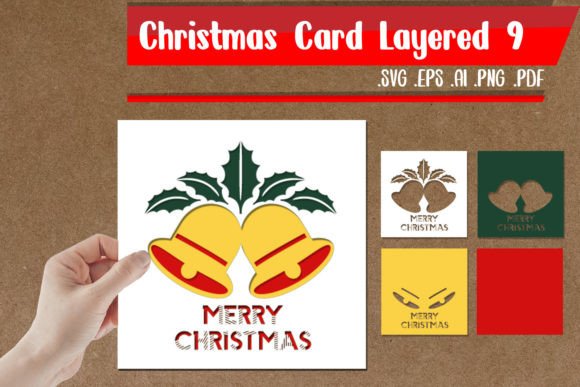
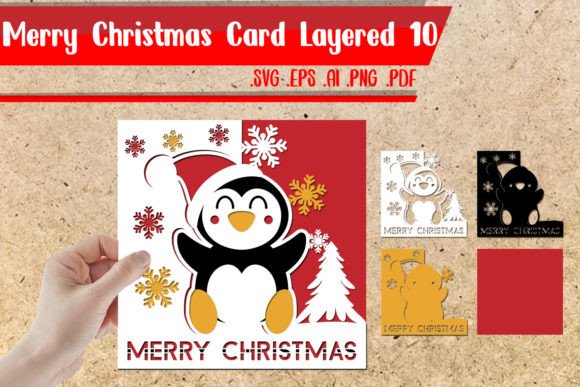
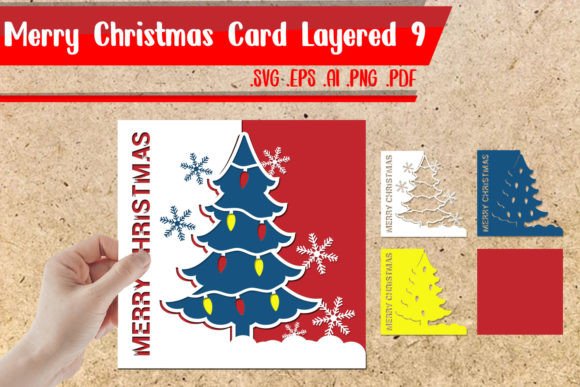
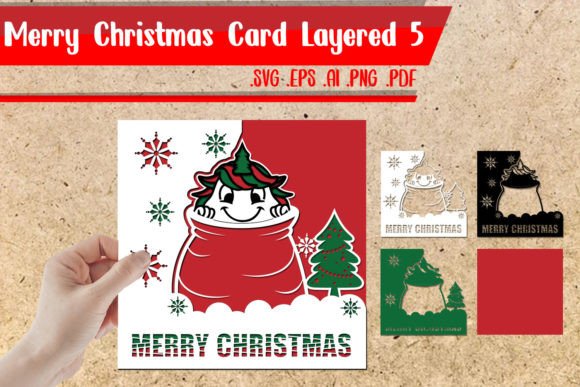
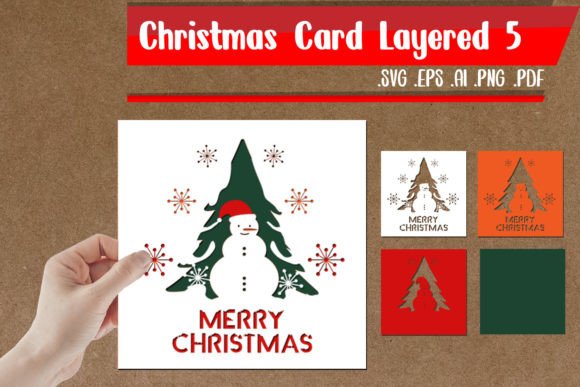
Upon opening the zip file, which organizes each design into its own folder containing six file formats, the first thing that strikes you is the structural integrity of the 3D SVG concept. In the world of holiday embroidery, flat designs often lack the tactile appeal that customers crave. This specific asset promises dimension through its layered architecture. Visually, the layout suggests a festive card motif, likely featuring classic elements like holly, ornaments, or winter scenes stacked to create a pop-out effect.
The visual personality feels professional rather than amateurish. There is a clear intention behind the spacing between layers, which is vital when converting a vector file into an embroidery file. If the layers are too close, the stitch density can become overwhelming, causing puckering on the fabric. If they are too far apart, the design loses its cohesive identity. From a quick inspection, the balance seems appropriate for medium-weight fabrics, making it a strong candidate for custom apparel or home decor items where texture adds value.
A Real-World Test: The Custom Sweatshirt Project
To truly gauge the utility of Christmas Card Layered 5, I imagined a specific client project: a limited run of personalized sweatshirts for a local boutique. These aren't just generic gifts; they are high-end, wearable art meant to be worn during the Christmas season. In this scenario, the four-layer structure becomes a key selling point. Imagine a deep red crewneck sweatshirt where the top layer of the design is stitched in a metallic gold thread, sitting slightly above a cream-colored middle layer, all anchored by a dark green base.
This is where the transition from digital to physical matters most. When I visualize the sweatshirt embroidery, the layered approach creates a shadow effect that mimics raised applique without the complexity of cutting and sewing fabric pieces. For a craft business owner, this efficiency is gold. It allows for faster turnaround times while delivering a premium look. The customer receives a finished product that feels substantial and well-crafted, justifying a higher price point compared to single-layer heat transfers or basic prints.
However, the success of this project hinges on execution. The hoop size must accommodate the full width of the layered composition. If the design is too wide for a standard 4x4 hoop, the center might pucker if forced. I would recommend checking the dimensions against your machine capabilities immediately. Furthermore, the choice of thread colors is paramount. On a dark garment, the contrast between the layers needs to be sharp to maintain the 3D illusion. A subtle shift in shade might get lost in the fabric texture, rendering the effort invisible.
Navigating Fabric Challenges and Stitch Clarity
While the design looks promising on paper, experienced designers know that fabric texture dictates success. Using Christmas Card Layered 5 on a textured knit, like a chunky cable sweater, could obscure the finer details of the inner layers. The running stitch outlines that define the edges might sink into the weave, blurring the separation between the four layers. In such cases, a heavy-duty stabilizer is non-negotiable. You need to lock the fabric down so the needle penetrates cleanly, ensuring the fill stitch sits flat and even.
Conversely, this design shines on smooth surfaces. Think about a linen tote bag or a cotton pillow cover. The crisp lines of the digital embroidery file will stand out beautifully against the matte finish of linen. For a tote bag design, the layered effect adds a whimsical touch that draws the eye. Customers browsing at a craft fair are more likely to pick up a bag that offers visual intrigue over a simple logo print. The handmade product aesthetic is enhanced because the stitching itself becomes part of the decoration.
There are also scenarios where caution is required. If you are attempting this on a curved surface like a baseball cap, the distortion can throw off the alignment of the layers. The top layer might overlap the bottom one unevenly due to the curvature, ruining the 3D effect. Similarly, on stretchy fabrics like jersey, the tension of the satin stitch borders could cause the fabric to warp over time. Always test the design on scrap fabric first. Run a few stitches, wash the sample, and inspect how the layers hold up after agitation. This step protects your reputation as a small shop product creator.
Strategic Value for Digital Sellers and Makers
For those selling digital assets or offering custom services, the versatility of this package is a significant asset. The fact that the download includes multiple formats means you can adapt the design for various workflows. Whether you are creating a printable mockup for your website or preparing the actual embroidery project files for a client, having the right format streamlines the process. The ability to separate the four layers digitally allows for creative variations. You could offer a "base only" version for budget-conscious clients or the full layered experience for premium orders.
From a brand consistency perspective, using a high-quality design like Christmas Card Layered 5 signals professionalism. In the crowded market of Etsy sellers and creative entrepreneurs, attention to detail separates the hobbyists from the businesses. When a customer sees a personalized gift with clean, distinct layers and no loose threads, their trust in your brand increases. They perceive the item as valuable and worth keeping, which leads to better reviews and repeat business.
However, always confirm the licensing terms before selling finished items. While the description mentions an instant digital download, the specifics regarding commercial use for commercial embroidery projects should be verified. Ensure you have the right to sell garments featuring this design, especially if you plan to produce large quantities for retail.
Final Thoughts on Execution and Quality
In conclusion, Christmas Card Layered 5 - Svg Eps Png offers a compelling opportunity for designers looking to add dimension to their holiday embroidery portfolio. Its four-layer structure provides a unique visual hook that stands out in a sea of flat designs. By carefully selecting the right fabric, utilizing proper stabilizer techniques, and testing stitch density, you can transform this digital file into a stunning finished product.
Whether you are decorating baby clothes with delicate touches, creating durable patches for uniforms, or crafting luxurious boutique branding items, the key lies in preparation. Do not rush the digitization or the stitching process. Take the time to review the design in black and white mockups to ensure clarity, compare it against light and dark backgrounds, and adjust your settings accordingly. With the right approach, this design can become a staple in your seasonal collection, driving engagement and sales for your craft business.